Best Places to Eat in Hanoi Like a Local 2026
From early-morning pho to late-night bun cha — where locals actually eat in Hanoi, from street stalls to hidden gems.
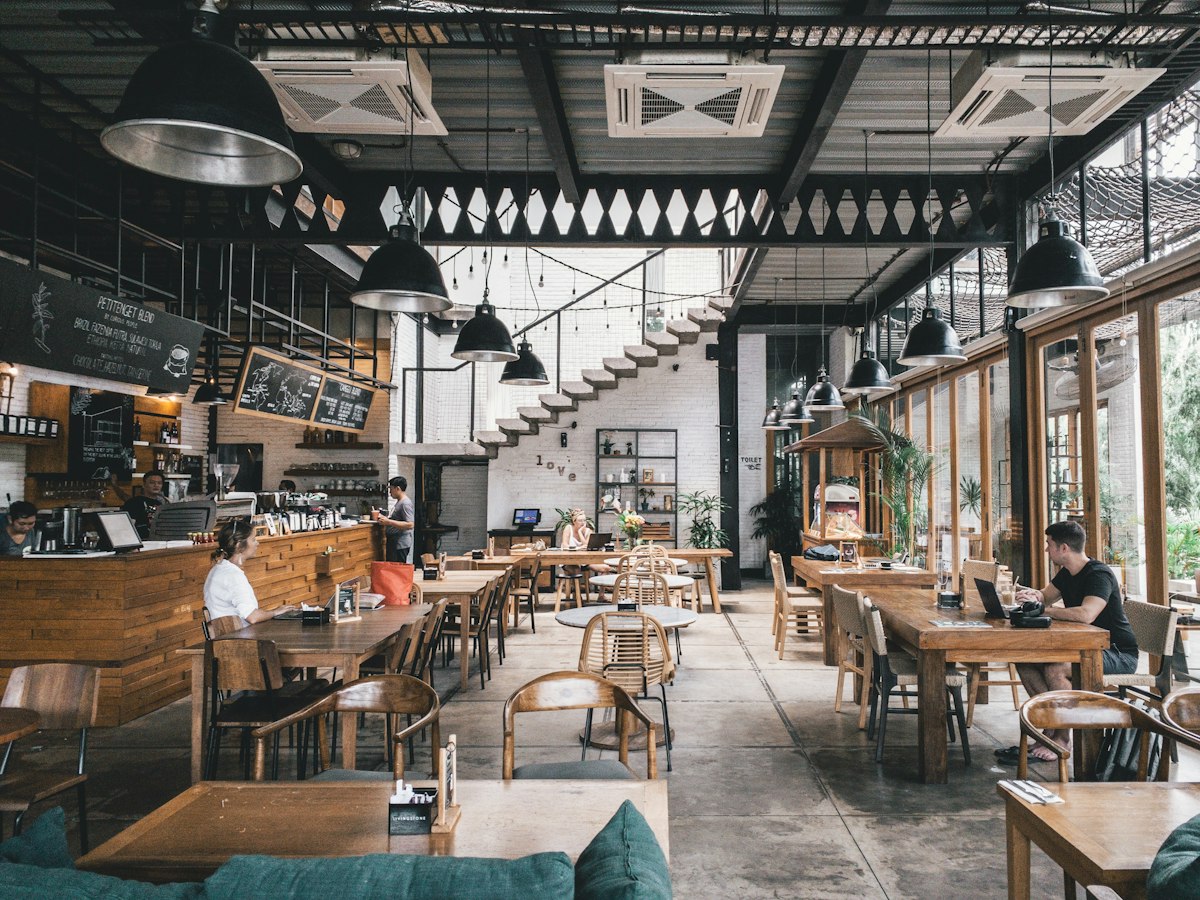
Hanoi's food scene is one of the richest in Southeast Asia. Unlike the spicier flavours of the south, Hanoi cuisine is delicate, savoury, and rooted in centuries of tradition. The best meals are not in restaurants — they're on plastic stools at street-level stalls, costing less than US$2.
Must-Try Hanoi Dishes
🍜 Pho Bo — The national dish. Hanoi-style pho is cleaner and less sweet than southern versions. Best eaten at breakfast from 06:00–09:00.
🥩 Bun Cha — Chargrilled pork patties with rice vermicelli, fresh herbs, and dipping broth. Best at lunch.
🥗 Bun Bo Nam Bo — Dry beef noodle salad with roasted peanuts and crispy shallots.
☕ Ca Phe Trung (Egg Coffee) — Rich egg yolk foam over strong Vietnamese drip coffee. Invented at Cafe Giang in 1946.
Best Streets for Food
📍 Ly Quoc Su Street — Best bun cha stalls in the Old Quarter.
📍 Ta Hien Street ("Beer Street") — Evening street food, bia hoi (fresh draught beer) and grilled snacks.
📍 Dinh Liet Street — Banh mi and local breakfast stalls.
📍 Hang Dieu Street — Famous for banh gio (pyramid dumplings) and xoi (sticky rice).
Tips for Eating in Hanoi
🕐 Timing matters — pho stalls open at 06:00 and sell out by 09:00. Bun cha is a lunch dish.
🪑 Plastic stools at street level = authentic and cheap.
💵 Most street stalls are cash only — keep small bills (10,000–50,000 VND) ready.
🌶️ Say "khong cay" (no spice) if needed — though Hanoi food is generally mild.
Frequently asked about Food & Dining
Quick answers to help you plan with confidence.
Choose busy stalls with high turnover, drink bottled or boiled water, and go easy on ice in very remote areas. Street food is a highlight—pho, bun cha, banh mi, and fresh spring rolls are usually fine at popular, clean spots.
Yes. Vietnam is very vegetarian-friendly, especially with Buddhist “com chay” restaurants. Tell vendors “không thịt” (no meat); note that fish sauce is common, so request “không nước mắm” if you are strictly vegetarian or vegan.
Start with pho, banh mi, fresh rolls (goi cuon), bun cha (Hanoi), cao lau (Hoi An), and bun bo Hue. In the south, try broken rice (com tam) and fresh seafood. Regional variations make each city worth tasting.
Cooking classes are excellent in Hoi An, Hanoi, and Ho Chi Minh City—often including a market visit. Book highly rated operators; Morning Glory–style classes in Hoi An are among the most popular for visitors.
Tipping is not mandatory but appreciated. Rounding up small bills, leaving 5–10% in nicer restaurants, or tipping guides and drivers for good service is common among international travellers.
Previous Article
Top 10 Spas in Ho Chi Minh City for Best Massage
Next Article
Top 15 Best Restaurants in District 1, Ho Chi Minh City